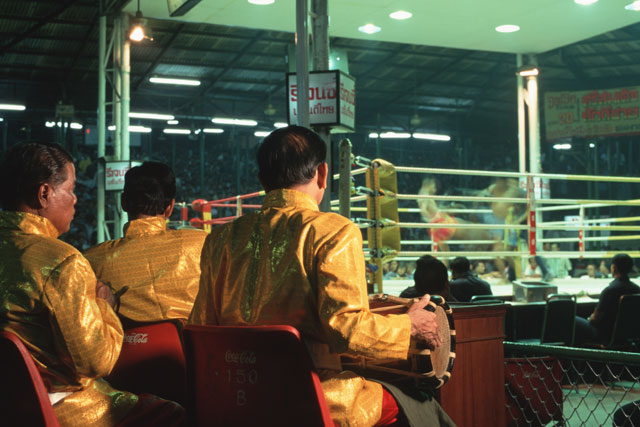
Muay Thai is not simply a sport in Thailand — it is history, identity, and livelihood bound together through generations. Known as “The Art of Eight Limbs,” Muay Thai uses fists, elbows, knees, and shins, but its true depth lies far beyond technique. It reflects how Thailand fought wars, raised children, earned respect, and expressed culture long before modern sport existed.
Origins: From Battlefield to Ritual
Muay Thai traces its roots back hundreds of years to Muay Boran, a battlefield combat system used by Siamese soldiers when weapons were lost or broken. These techniques were practical, brutal, and efficient — designed for survival rather than competition.
As Thailand entered periods of peace, Muay Boran evolved into a regulated form of fighting. Rules were gradually introduced, weapons removed, and contests became a way to test courage, strength, and honor. What remained constant was the spirit of the warrior — discipline, respect, and fearlessness.
The Wai Kru Ram Muay, performed before every fight, is a living reminder of this origin. It pays respect to teachers, family, and the lineage of fighters who came before. In Muay Thai, you never fight alone — you carry your camp, your kru, and your history into the ring.
Stadium Muay Thai and the Golden Era
Modern Muay Thai reached its peak prestige during the Golden Era (roughly the late 1970s to early 1990s). This period revolved around legendary stadiums like Lumpinee Stadium and Rajadamnern Stadium, where only the elite competed.
The Golden Era produced fighters whose names still command reverence:
-
Samart Payakaroon – Often regarded as the greatest Muay Thai fighter of all time; effortless, technical, and calm under pressure.
-
Dieselnoi Chor Thanasukarn – Dominant clinch fighter whose knees ended careers.
-
Karuhat Sor Supawan – Known for timing, balance, and artistry.
-
Namsaknoi Yudthagarngamtorn – A master technician who bridged the Golden Era and modern times.
Fighters during this era fought constantly — sometimes monthly, sometimes against multiple champions in a single year. Weight cuts were minimal, matchmaking was ruthless, and reputations were earned the hard way. There were no easy fights, and no protection from loss.
Childhood, Hardship, and the Thai Fighting Culture
One of the most misunderstood aspects of Muay Thai outside Thailand is how young fighters begin.
In Thailand, many children start training between 6 and 10 years old. For some, Muay Thai is passion; for others, it is necessity. Fighting can support families in rural provinces, paying for food, schooling, and medical care. Camps often become surrogate families, providing structure, discipline, and purpose.
Children learn:
-
Respect before aggression
-
Control before power
-
Endurance before ego
Fighting frequently from a young age builds timing, balance, and composure that cannot be rushed later in life. Losses are accepted as part of growth. Winning is respected, but heart and effort are valued more.
This culture creates fighters who are mentally forged long before they reach international audiences.
Modern Muay Thai and the Global Shift
As Muay Thai spread globally, it began to evolve.
Organizations like ONE Championship introduced:
-
Smaller gloves
-
Faster pacing
-
Entertainment-focused scoring
Modern stars such as:
-
Buakaw Banchamek
-
Saenchai
-
Tawanchai PK Saenchai
-
Superlek Kiatmoo9
…have helped bridge traditional Muay Thai with international combat sports audiences.
While some purists argue modern formats sacrifice nuance for excitement, others see this evolution as necessary for survival. Muay Thai today exists in two worlds:
-
Traditional stadium Muay Thai, deeply technical and tactical
-
Global entertainment Muay Thai, fast, aggressive, and accessible
Both are valid — and both trace back to the same roots.
What Has Never Changed
Despite rule changes, gloves, promotions, and global exposure, Muay Thai’s core remains untouched:
-
Respect for kru and camp
-
Acceptance of pain as a teacher
-
Fighting as character, not spectacle
-
Honor in showing heart, even in defeat
Muay Thai is not about perfection. It is about endurance.
It teaches fighters — and those who follow it — how to stand calm in chaos, how to lose with dignity, and how to keep moving forward when the body is tired and the odds are heavy.
Closing
Muay Thai has evolved from battlefield survival to stadium prestige, from rural camps to global arenas. Yet it remains deeply Thai — grounded in humility, discipline, and resilience.
To understand Muay Thai is to understand that it is not just a fight, but a lifelong dialogue between past and present, teacher and student, pain and purpose.
It is, and always will be, the art of becoming harder to break.